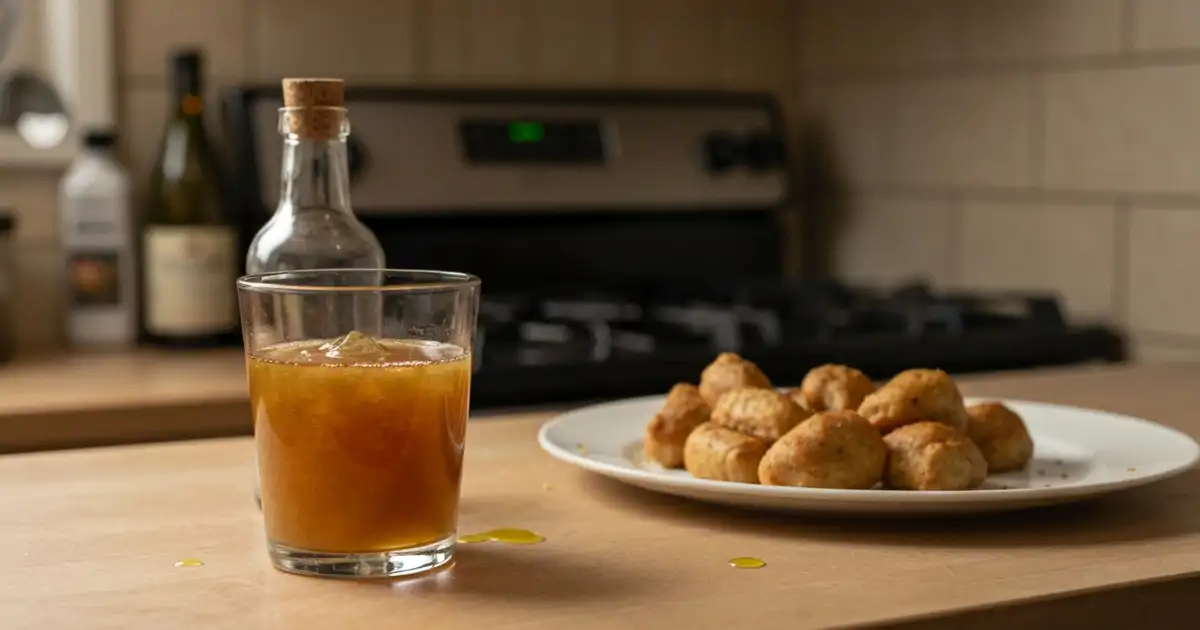

You've probably woken up Sunday with a pizza box and a couple of leftover beers, wondering if your diet is doomed. Trust me, I've been the guy who shows up on Monday with a coffee and a game plan, not a guilt-trip. The truth is, alcohol isn't a diet-killing monster-it's just another source of calories you can account for.
The all-or-nothing approach to dieting is what screws most people. They think if they touch a single beer, the whole thing's ruined, so they might as well go all in. That's exactly how you end up feeling like crap and totally off track. We're busting that myth today. You can drink, you can diet, and you can still hit your goals. You just need to know how.
Myth #1: Alcohol Has No Caloric Impact
"It's just liquid, right? Practically water with a kick." Heard that one before? Or maybe you've thought it yourself while pouring another glass of wine. It's a convenient thought, but it's flat-out wrong.
Here's the deal: Alcohol provides 7 kcal per gram. To put that in perspective, protein and carbs are 4 kcal per gram. Fat is 9 kcal per gram. So, alcohol is closer to fat in its calorie density than it is to protein or carbs. It's not an invisible ghost; it's a measurable energy source, and your body absolutely counts it.
Let's look at some common drinks:
- A standard 12-oz beer? You're looking at around 150 kcal. That's a good-sized snack right there.
- A 5-oz glass of wine? Usually 120-130 kcal, depending on the type.
- A shot (1.5 oz) of spirits like gin or vodka? Around 100 kcal.
- Now, start adding mixers-sugary sodas, fruit juices, or syrups in cocktails-and those numbers climb fast. A margarita can easily hit 300-400 kcal.
The point isn't to scare you away. The point is to make you aware that these calories count. They add up in your daily total just like that slice of pizza or your morning oatmeal. Ignoring them is like trying to balance your budget while leaving out half your spending. It won't work.
Myth #2: One Drink Will Spike Fat Storage
This is another big one that throws people into a tailspin of guilt. The idea is that the moment alcohol hits your system, your body slams the brakes on fat burning and immediately starts storing every other calorie as fat. It's a bit more nuanced than that.
Yes, your body does prioritize burning alcohol. Think of alcohol as a mild toxin. Your liver is pretty efficient at getting rid of it, and it puts other metabolic processes on hold to do so. So, while alcohol is being processed, your body isn't burning as much fat or carbs for energy. It's focusing on the alcohol.
But here's what people miss: that doesn't mean those calories instantly turn into fat. It means your body shifts its fuel source for a bit. The real problem isn't the temporary metabolic shift; it's the total calorie surplus you create if you drink and eat beyond your needs.
Let's say you have a few beers and suddenly get the munchies, leading to a late-night feast. It's that entire calorie load-the alcohol plus the extra food-that pushes you into a surplus, which your body will store as fat.
Don't let this myth make you feel like one drink ruins everything. It doesn't. If you blew out a weekend with a 1500-calorie binge (that's like a couple of large pizzas and a six-pack, easy), don't despair. You haven't ruined your progress forever. You can claw that back. A 500-calorie deficit for three days easily reverses a 1500-calorie weekend binge. It's math, not magic.
Myth #3: You Must Quit Completely to See Results
This is the most damaging misconception out there, and it's the fastest way to an "all-or-nothing" diet mentality that always fails. So many people think that if they're "on a diet," booze is totally off-limits. That's a recipe for resentment, social isolation, and eventually, a massive rebound where you throw in the towel because the restriction was just too damn much.
You absolutely do not need to quit drinking completely to see results. That's just unnecessary gatekeeping for your social life and enjoyment. The goal here is sustainable habits, not monastic self-deprivation.
Here's how to adopt a balanced approach:
- Choose Wisely: Not all drinks are created equal when it comes to calories. A craft IPA can be 200-250 calories. A gin and soda? Closer to 100 calories. Light beer? Usually around 100 calories. Dry wine? About 120-130 calories per glass. Sugary cocktails are the real calorie bombs-skip the margaritas, daiquiris, and anything with fruit juice or syrupy mixers unless it's a rare treat you've explicitly budgeted for. For more on smart drink choices, check out The 7-Day Diet Guide to Drinking: Calorie Counts, Low-Calorie Mixers, and Cheap Bar Picks for Busy Nights.
- Set a Budget: Just like your food calories, allocate a portion of your daily or weekly calorie budget to drinks if you plan to have them. If you know you're having two beers, factor in 300 calories. That might mean you choose a lighter dinner, or skip that evening snack. It's about making trades, not making sacrifices.
- Plan Around Events: Got a big party or a night out with friends coming up? Plan for it. Eat lighter meals earlier in the day. Get an extra workout in a day or two before. You don't have to show up sipping water all night, looking miserable. Go enjoy yourself, but go in with a plan for how you'll account for those drinks.
Guilt is the real diet killer, not the pizza or the beer. If you feel like you've "failed" just for having a drink, you're more likely to throw in the towel completely. We're not doing that. We're planning, we're accounting, and we're moving forward.
Practical Playbook: How to Drink Without Derailing
Alright, so you know the myths are busted. Now, what do you do on Monday morning (or Friday night, for that matter)? Here's your step-by-step cheat sheet.
1. Track Every Sip
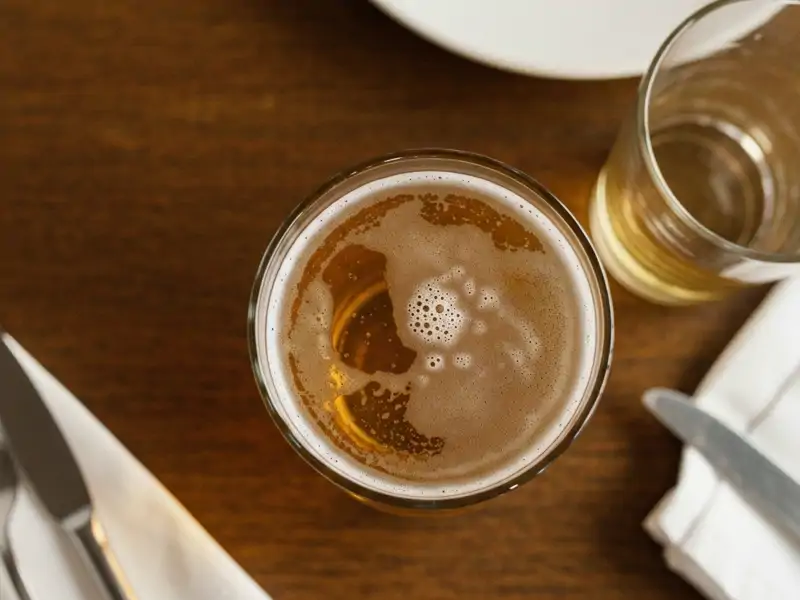
Don't guess. Don't eyeball it. If it goes in your mouth, it goes in your tracker. A 12-oz beer is about 150 calories. That shot of tequila? About 100 calories. Get specific. Your fitness app probably has a good database for common alcoholic beverages. Use it. This is non-negotiable for staying on track.
2. Offset Those Calories
You drank 300 calories worth of beer? Cool. Now, where are you pulling those 300 calories from? It's simple arithmetic.
- Maybe you skip your usual evening snack.
- Maybe you shave 150 calories off lunch and 150 off dinner the next day.
- Maybe you add an extra 20 minutes to your walk or hit the gym for a quick session.
The key is that those calories don't just disappear. They need to be accounted for in your total energy balance. Think of it as a flexible calorie budget. You decide where you spend it.
3. Hydrate, Hydrate, Hydrate
Alcohol is a diuretic, meaning it makes you pee more and can leave you dehydrated. Dehydration can screw with your hunger cues, make you feel sluggish, and generally reduce your willpower.
- Rule of thumb: Alternate every alcoholic drink with a glass of water. Seriously.
- Drink a big glass of water before you start drinking.
- Drink another big glass before bed.
This isn't just about preventing a brutal hangover; it's about keeping your body functioning optimally and preventing those false hunger signals that often lead to poor food choices.
4. Prioritize Protein (Especially Around Drinking)
Protein is your best friend when you're trying to manage your weight. It keeps you full, helps preserve muscle mass in a calorie deficit, and can reduce the "munchies" effect that alcohol sometimes triggers.
- Make sure your meals are packed with lean protein, especially on days you plan to drink. Think grilled chicken breast, Fage Total 0% Greek yogurt, lean steak, or fish.
- Filling up on protein-rich foods before you start drinking can help you make smarter choices later on and reduce the likelihood of reaching for those high-calorie, low-nutrient snacks.
Next time you raise a glass, log those 150 calories, shave 150 off dinner, and you'll stay on track without missing the party.