
Alright, so you've pulled into the service station for a quick breather and the vending machine is winking at you. Before you grab that mystery meat sub, let me break down the hidden calorie bombs that sit on the same shelf as the cheap soda. I've tallied the numbers so you can decide whether to chow down or keep the extra pounds at bay.
You see those "grab-and-go" meals? They look innocent, sitting there in their plastic containers, but some of them pack a punch just as hard as a McDonald's drive-thru, sometimes worse. The difference? You probably expect a Big Mac to be a calorie hit. These convenience store items? Not so much. People think they're making a "better" choice by skipping the golden arches, but it's often a lateral move, calorie-wise.
The Unsuspected Calorie Culprits
Let's look at some common culprits you'll find lurking in the refrigerated or warmed sections of your average gas station.
Hot Dogs (The "Mystery Meat" Kind)
You know the ones. Rolling on the griddle, smelling... like hot dogs. People grab these thinking they're a quick, cheap protein fix. But when you break it down, it's not always a win.
A pack of Jacquet hot dogs (that's four pieces, usually pre-packaged and warmed up) clocks in at about 282 kcal per 100 grams. For that 100g, you're looking at 9g protein, 5g fat, and a whopping 49g carbs. Now, a single hot dog might be around 50g. So two of those bad boys would be 100g of meat.
Then there's the roll. A La Fournée Dorée 6-piece hot dog roll pack hits 337 kcal per 100 grams, with 10g protein, 10g fat, and 51g carbs. A single roll is probably 40-50g.
So, let's say you get two hot dogs with two rolls. You're easily looking at:
- Two hot dogs (100g total): 282 kcal, 9g protein, 5g fat, 49g carbs.
- Two rolls (100g total): 337 kcal, 10g protein, 10g fat, 51g carbs.
- Total for two dogs and two rolls: 619 kcal, 19g protein, 15g fat, 100g carbs.
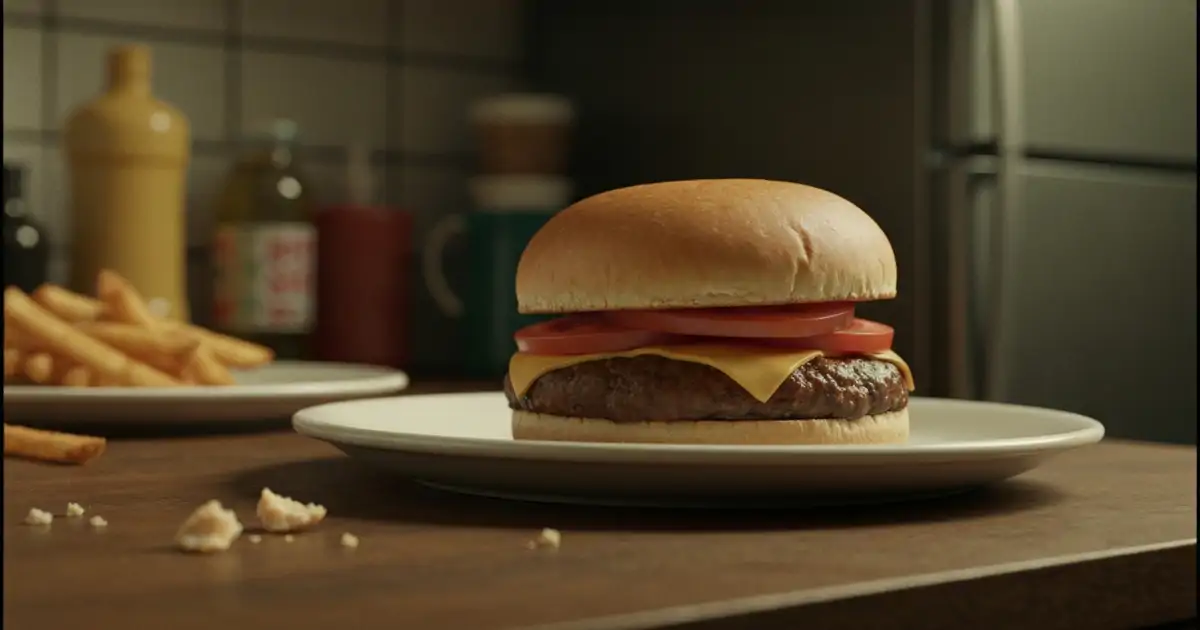
Compare that to a Quarter Pounder with Cheese from McDonald's: around 540 kcal, 30g protein, 27g fat, 43g carbs. Your two plain hot dogs and rolls are more calories and less protein than a QPwC, and way more carbs. You haven't even added ketchup, mustard, or those fried onions yet.
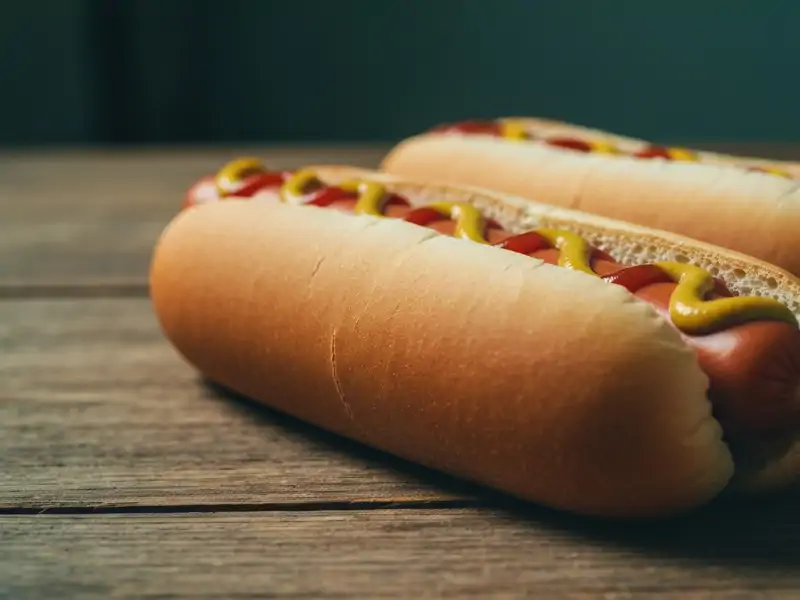
Portion-size reality check: Two hot dogs look like two fat cigars. Two rolls are like two large, squishy bananas. It doesn't seem like much food, but the calories add up fast.
Protein-payoff or empty calories? Definitely leaning towards empty calories here. 19g of protein for over 600 calories is a piss-poor return. You're getting a ton of carbs from the processed bread and sugar in the hot dogs themselves, but not much to actually fill you up.
How to hack them: Skip the bun. Seriously. Eat one hot dog, without the bread. Or if you really need the bun, just have one. That cuts your calorie count almost in half right there. Or, even better, skip the griddle dogs entirely.
Pre-packaged Quesadillas
You see these in the cold case, sometimes with "Casa Mamita" or similar brand names. They look like a decent, quick lunch option. "Chicken and cheese? How bad can it be?"
A Casa Mamita Chicken & Cheese Quesadilla pack hits 230 kcal per 100 grams. For that, you get 15g protein, 9g fat, 24g carbs, and 4g fiber. Now, these things are usually sold in a two-pack or one large single, often around 150-200g.
Let's say you grab a 150g quesadilla (one medium-sized one). That's roughly:
- One 150g quesadilla: 345 kcal, 22.5g protein, 13.5g fat, 36g carbs.
That's actually not terrible for the protein. It's better than the hot dogs. But most people eat these with something else, or think one isn't enough, so they grab a second one. If you eat two, that's nearly 700 calories.
Portion-size reality check: A single quesadilla is about the size of a CD case. Two of them? Like two frisbees stacked. It can seem thin and light, but the cheese and tortilla calories are dense.
Protein-payoff or empty calories? This one actually offers a decent protein punch relative to its calories, assuming you stick to one. But the issue is often portion control and the perception that it's a "light" meal, leading to overeating.
How to hack them: Stick to one, and pair it with something else that's actually low-calorie and high volume, like a big bag of baby carrots or a piece of fruit. Or, if they have a decent salad option (no creamy dressing), grab that instead.
The Giant Muffin / Pastry
Every gas station has a basket of these. Often oversized, sometimes with a crumb topping or chocolate chips. You're rushing, you skip breakfast, and boom, there's your "morning fuel."
These things are calorie monsters. A standard bakery-style blueberry muffin can easily be 500-600 kcal for one single muffin, with maybe 8-10g protein, 20-30g fat, and 70-80g carbs. The fancy ones with cream cheese frosting or extra chocolate can push 700-800 kcal. That's more than a Quarter Pounder with Cheese, for a muffin. Let that sink in.
Portion-size reality check: Most of these aren't your grandma's small muffin. They're like the size of a baseball or even a softball.
Protein-payoff or empty calories? This is almost purely empty calories. Very little protein, mostly refined carbs and sugar, with a hit of fat. You'll crash an hour later, guaranteed.
How to hack them: Don't. Seriously, don't. If you need a breakfast item, look for a small bag of nuts, a hard-boiled egg pack (some stores have these), or a protein bar that Morgan actually approves of (she tested every protein bar at Costco last month, so she's got opinions). If you absolutely must have something sweet, grab a small piece of fruit instead.
Pre-made Deli Sandwiches/Wraps
This is the "mystery meat sub" from the intro. Often tuna salad, chicken salad, or some kind of turkey/ham combo. They look like a "real meal" and feel healthier than a burger.
But these can be loaded. Creamy tuna or chicken salad? That's mayo city. Lots of fat, lots of calories. A typical large convenience store deli sandwich (think something that's two hands to hold) can easily be 600-800 kcal, with maybe 25-35g protein, 30-50g fat, and 50-70g carbs. Some of the bigger wraps, especially those with fried chicken or heavy sauces, can top 900 kcal.
Portion-size reality check: These can be the size of a large paperback book. You think you're getting a substantial meal, and you are - substantially high in calories.
Protein-payoff or empty calories? The protein can be decent, but often it's drowned out by excessive fat from dressings, cheeses, and processed meats. It's often high in sodium too, which isn't great.
How to hack them: If you really need a sandwich, look for one that's clearly turkey breast or grilled chicken with minimal mayo or cheese. Or, better yet, grab some sliced turkey or chicken from the deli counter (if they have one) and a bag of spinach or a side salad (no dressing or light vinaigrette only). Ditch half the bread if it's a huge sub roll.
"Healthy" Snack Bars (The Deceptive Ones)
You know, the ones that promise "natural ingredients" or "whole grains." They look wholesome and a lot of influencers push these as guilt-free snacks. Bullshit.
Many of these bars, especially those loaded with nuts, seeds, dried fruit, and chocolate, are calorie bombs disguised as health food. A single bar can range from 250-400 kcal, with maybe 5-15g protein, 15-25g fat, and 30-50g carbs. Some are basically just glorified candy bars with a better marketing team.
Portion-size reality check: They're small, maybe the size of a chocolate bar. This is what makes them so deceptive. A tiny bar, the size of your palm, can have the same calories as a full meal or a small burger.
Protein-payoff or empty calories? This is where reading the label is critical. Some protein bars are genuinely good, with 20g+ protein for under 250 calories. But many "granola" or "nut" bars have minimal protein for a lot of calories. Check the label!
How to hack them: This is one area where knowing your brands helps. Look for bars with at least 15-20g of protein and keep the calories under 250. My personal go-to if I'm desperate is usually a Quest Bar or something similar. Failing that, a simple piece of fruit is always a better option.
Why the Influencers Get It Wrong
You see all these fitness influencers showing off their "healthy" gas station finds - maybe a fancy kale smoothie or a small bag of organic kale chips. And yeah, those options exist, but they're often expensive and not what most people actually grab. More often, they're showing off a brand that's paying them, not the actual reality of what's good for you.
They focus on vague terms like "natural" or "clean eating," but those don't mean jack for your calorie budget. Raw numbers matter more than glossy Instagram captions and filtered photos of someone holding an overpriced "superfood" bar. You need to know the actual calories, the protein, the fat, and the carbs. That's it. No magic. No secrets.
You can fit some of these convenience store "gut-bombs" into your diet if you know how to play the numbers game. But you need to be honest about what you're actually eating. Just because it's not from a drive-thru doesn't mean it's low calorie. Most of this stuff is designed for convenience and shelf life, not for your waistline.
Next time you roll up to the pump, eyeball the label like you'd read the menu board at the drive-thru - the numbers don't lie.