

That feeling, right? Sunday night rolls into Monday morning, and suddenly, your jeans feel a little tighter, your energy is a little lower, and the sweet memory of that extra slice of pie or third cookie has turned into a dull ache of regret. You're not alone. I've been there more times than I can count, staring down a week that feels like an uphill battle against sugar and bloat.
But here's the deal: guilt is the real enemy, not the dessert. Beating yourself up does more damage to your long-term goals than any sugar cookie ever could. We're not here to judge. We're here to get you back on track, smart and steady, without feeling deprived. It's about damage control and resetting, not punishing yourself.
Rebound with Low-Calorie Desserts
Your first move on Monday morning isn't to starve yourself. That's a surefire way to trigger another binge by Wednesday. You want to gently nudge your body back into balance, and that means satisfying those lingering sweet cravings with smarter choices. We're talking about desserts that respect your recovery plan.
The trick is to choose desserts that are naturally sweet, or sweetened with alternatives, and are inherently portion-controlled. Think about fruit first. Driscoll's Raspberries, for example, pack only 49 calories per 100g, with 7g of fiber, making them incredibly satisfying for their caloric punch [3]. Compare that to something like Bjorg Fourrés Chocolat Noir biscuits, which hit 476 calories per 100g and 66g of carbs, with only 5g of fiber [2]. The difference is stark. While a small biscuit isn't the end of the world, it's not the recovery vehicle we need right now.
Portion control isn't just about willpower; it's about setting yourself up for success. Pre-portioned treats, or ingredients you can easily measure, make a huge difference. You want to get that "dessert" feeling without the caloric baggage. One small square of high-quality dark chocolate, say an Edelbitter-Schokolade Lindt, which has 592 calories per 100g but also 12g of fiber and 10g of protein [1], can offer intense satisfaction with just a 15g serving, keeping you around 90 calories. It's a psychological win.
A 2024 study in Scandinavian Journal of Medicine & Science in Sports highlighted how small, consistent changes can improve glycemic control [2]. It's about making small, repeatable choices throughout your day, even when it comes to sweets. Don't deprive, replace.
Balance is Key
Recovery isn't just about cutting calories; it's about balancing your macronutrients. When you pair sweets with protein and fiber, you slow down sugar absorption, stabilize blood sugar, and feel fuller for longer. This prevents those wild blood sugar spikes and subsequent crashes that often lead to more cravings.
Think of it this way: a 1500-calorie blowout weekend isn't ideal, but it's not a disaster. You can claw that back. A sustainable approach is to aim for a 500-calorie daily deficit for three days. That effectively erases the 1500-calorie surplus without leaving you feeling starved or deprived. This deficit should come from your overall diet, but smart dessert choices are a significant piece of that puzzle.
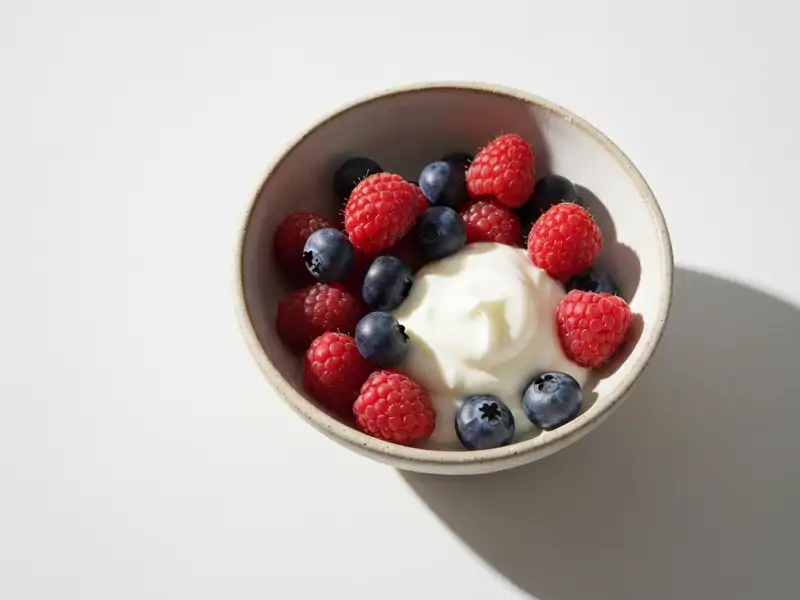
For instance, instead of reaching for a sugary pastry, grab a serving of Brooklea Greek 0% Fat Authentic Greek Yogurt. It delivers 10g of protein for just 49 calories per 100g, with zero fat and only 4g of carbs [6]. Swirl in some berries for natural sweetness and fiber. A 2020 study in Journal of Complementary & Integrative Medicine showed that educated self-management, which includes understanding food choices, significantly improves blood glucose levels [3]. Knowledge is power here.
My own experience tells me that trying to go from a sugar high to zero sugar cold turkey is a recipe for failure. Your body wants that hit. Acknowledge it, and then redirect it to something that works with you, not against you.
Comparison of Healthy Dessert Options
Let's get specific about what makes a "healthy" dessert for recovery. It's not just about low calories. It's about the nutrient density, the fiber content, and how it impacts your blood sugar.
Here's a quick comparison of common dessert components, keeping our recovery goals in mind:
| Dessert Item | Calories (per 100g) | Protein (g) | Fat (g) | Carbs (g) | Fiber (g) |
|---|---|---|---|---|---|
| Lindt Edelbitter-Schokolade (Dark) [1] | 592 | 10 | 55 | 14 | 12 |
| Bjorg Fourrés Chocolat Noir [2] | 476 | 8 | 19 | 66 | 5 |
| Driscoll's Raspberries [3] | 49 | 1 | 1 | 12 | 7 |
| Lidl Erdbeeren (Strawberries) [4] | 39 | 1 | 0 | 6 | 4 |
| Milbona Creamy Greek Yogurt [5] | 126 | 4 | 10 | 5 | 0 |
| Brooklea Greek 0% Fat Yogurt [6] | 49 | 10 | 0 | 4 | 0 |
What does this tell us? Berries (raspberries, strawberries) are superstar low-calorie, high-fiber choices. They provide natural sweetness without the added sugars, and their fiber helps modulate glucose absorption. Zero-fat Greek yogurt is a protein powerhouse that can keep you full and satisfied for very few calories. Dark chocolate, in small portions, offers fiber and antioxidants, but you have to be disciplined due to its high fat and calorie content. Items like the chocolate biscuits are much harder to fit into a recovery plan due to their high carb and calorie density relative to their fiber and protein.
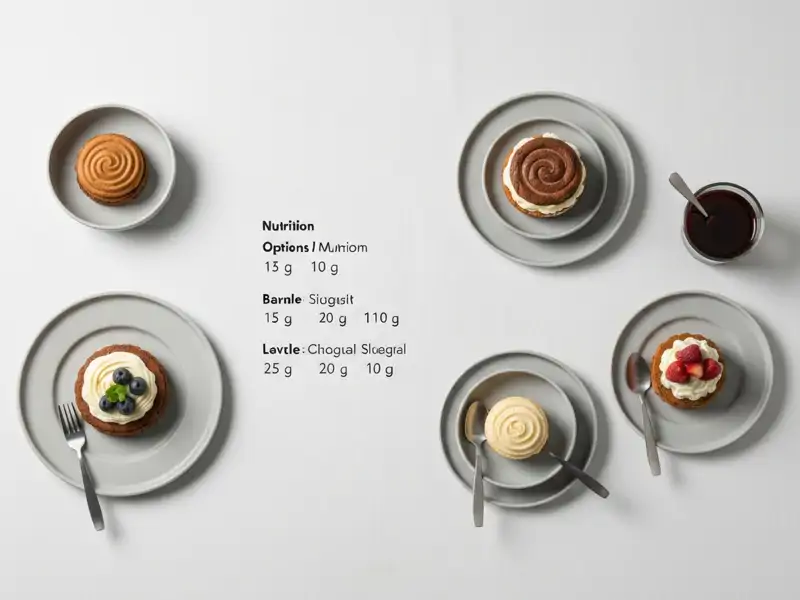
Choosing fruit, especially berries, often means the sugar is "packaged" with beneficial fiber, vitamins, and minerals. This makes it easier for your body to process, preventing dramatic blood sugar spikes.
Recovery Strategies
Beyond just smart dessert choices, your overall strategy on Monday is what truly counts. You've had your fun. Now it's about supporting your body as it gets back to baseline.
Hydration's key. You're likely a little dehydrated from all that sugar and salty food. Make it a point to drink at least 2-3 liters of water today. Water helps flush out excess sodium, reduces bloating, and can even help curb false hunger signals. Sometimes that "craving" is just thirst in disguise.
Get back to your regular meal and snack schedule immediately. Don't skip meals thinking it'll "make up" for the weekend. That just sets you up for low blood sugar, intense cravings, and likely another round of overeating. Eating consistent, balanced meals every 3-4 hours keeps your metabolism humming and your hunger hormones in check. Focus on lean proteins, complex carbohydrates, and plenty of vegetables.
Acknowledging you've overindulged is a powerful first step. It allows you to shift from self-blame to proactive planning. Don't let a "bad" weekend snowball into a "bad" week.
Healthy Dessert Ideas
Here are a few specific ideas for those recovery desserts that hit the spot without derailing your efforts:
Berries with High-Protein Yogurt: Take 100g of Brooklea Greek 0% Fat Authentic Greek Yogurt (49 calories, 10g protein) and top it with 50g of Driscoll's Raspberries (25 calories, 3.5g fiber). You get a satisfying, creamy, sweet treat for less than 75 calories with a solid protein and fiber punch. Add a sprinkle of cinnamon for extra flavor and blood sugar benefits -- a 2017 meta-analysis in Diabetes research and clinical practice found vinegar can attenuate postprandial glucose responses, and cinnamon has similar properties [1].
Mock Apple Pie (with Zucchini): This sounds crazy, but trust me. You can make a convincing "apple" pie filling using zucchini, spices (cinnamon, nutmeg), a little lemon juice, and natural sweeteners like a touch of stevia or erythritol. The texture is surprisingly similar to cooked apples. Many recipes use nearly three pounds of zucchini to create a low-sugar, high-fiber dessert that tastes like the real deal. You get all the flavor with a fraction of the calories and carbs.
Protein-Packed Gelatin: Forget those sugary gelatin cups. You can whip up a simple, protein-rich version using unflavored gelatin, a sugar-free drink mix or natural fruit juice, and a scoop of unflavored collagen or protein powder. This creates a light, refreshing dessert that's high in protein (collagen is great for skin and muscle support) and completely sugar-free. It's easy to portion and surprisingly satisfying.
Dark Chocolate Berry Bites: Melt a small amount (15-20g) of Lindt Edelbitter-Schokolade (around 90-120 calories). Dip a few strawberries or raspberries into the melted chocolate, then freeze until set. This gives you the intense chocolate flavor paired with the fiber and natural sweetness of fruit. It's a perfect portion-controlled indulgence.
Baked Pears or Apples with Cinnamon: Half a pear or apple, cored, sprinkled with cinnamon, and baked until soft. A drizzle of sugar-free maple syrup or a tiny spoonful of nut butter (if calories allow) can make this feel incredibly decadent. This utilizes the natural sugars and fiber of whole fruit.
Don't let yesterday dictate today. Start your Monday recovery plan today with these smart, satisfying options. Get back on track, not by punishing your past choices, but by making better ones right now.