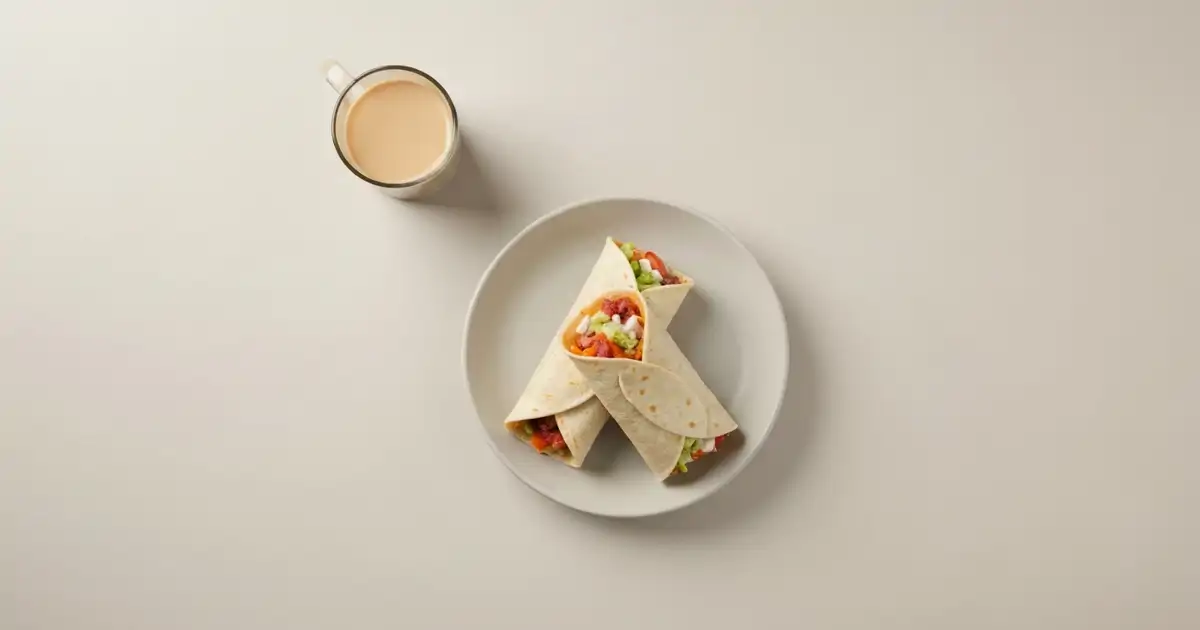

I just survived a 12-hour night shift on nothing but a 7-Eleven coffee and a Slim Jim. And yeah, I'm not alone. People work weird hours. They don't have a personal chef or time for meal prep. They're stuck with whatever the gas station has. Most diet advice ignores this reality. It's written for people with predictable schedules and full kitchens. That's not us. We need to make the convenience store work.
And let me tell you, it can. But you gotta know what you're looking at. Most convenience store "food" is a calorie ambush. Sugar and fat bombs hiding in plain sight. But there are decent picks. You just have to hunt for them.
Coffee Wars: Calorie Bombs at the Counter
Your morning (or midnight) coffee ritual? It's probably a diet killer. That "specialty coffee" from the convenience store? It's not just coffee. It's a dessert in a cup. A lot of people grab these things thinking it's just a boost. They're wrong.
A basic 7-Eleven coffee with a few pumps of flavor syrup and some creamer? You're easily looking at 200 calories. Maybe more. And Dunkin' Donuts? Their medium iced latte with whole milk and some added flavor can hit 300 calories. Easily. People aren't thinking about this when they're half-asleep and just need a jolt.

These aren't coffee. They're milkshakes with a caffeine problem. Convenience stores push these specialty coffees hard, especially in the morning rush. They know you'll grab it. Most of the "morning meal" at convenience stores comes down to these breakfast sandwiches and specialty coffees. According to cspdailynews.com, servings of specialty coffee at c-stores were up 8% in a recent quarter. That's a lot of hidden calories.
Think about it. That's 200-300 calories you're drinking. Before you even eat anything. If you're doing that daily, that's a serious caloric surplus without even feeling full. Skip the fancy stuff. Get black coffee. Add a splash of unsweetened almond milk if they have it. Or just drink it black. It's not a treat. It's fuel.
Convenience Store Sandwich Showdown
Sandwiches at the convenience store. They look innocent. They are not. These things are often packed with fat, sodium, and refined carbs. They're built for speed and shelf life, not your waistline.
Take the Wawa Shorti Roll Hoagie. People rave about them. I get it. They taste good. But a typical Shorti can clock in at 450 calories, sometimes more depending on what you load it with. That's a lot for a "small" sandwich. And 7-Eleven sandwiches? They can go up to 700 calories. Yeah, 700. For a convenience store sandwich. That's your entire meal, often lacking any real nutritional punch.
What's the deal? It's the bread. It's the processed meats. It's the cheese, the mayo, the sauces. All calorie dense. All designed to make it taste good and last longer. A lot of these sandwiches are built around ingredients like "HAMBURGER CHEDDAR Fromage Fondu au Cheddar," which, per 100g, delivers 259kcal, 19g protein, but a hefty 17g of fat [2]. Imagine that in a full sandwich with a big bun and a sauce.
You're better off making your own. But since we're talking zero prep, no kitchen, that's not an option. So, if you're forced to grab one:
- Look for simple: Turkey and cheese, not loaded with bacon and extra sauces.
- Size matters: Go for the smallest option.
- Ditch the extras: Ask them to hold the mayo, or scrape it off. It makes a difference.
Snack Attack: Comparing Calories and Nutrients
This is where it gets tricky. "Snacks" can mean anything. A bag of chips. A protein bar. A piece of fruit. But in convenience stores, "snack" usually means processed, high-calorie, low-nutrient garbage. You need to be a detective.
Let's look at some examples. Old El Paso Wraps, the kind you might find pre-packaged for a quick wrap kit, deliver 293kcal per 100g. They do offer 9g protein and 6g fiber, which is better than some options [1]. Not terrible, but 100g of just the wrap isn't a full meal. You're likely adding more to that.
Then you have things like HERTA Knacki Veggie Saucisses. Veggie, right? Sounds healthy. Not necessarily. These veggie sausages clock in at 256kcal per 100g, with 15g protein but also 20g of fat [4]. See? "Veggie" doesn't automatically mean low-cal or low-fat. It just means no meat. You still need to read the label.
It's about knowing what you're actually putting into your body. Don't fall for the marketing. Read the numbers.
Gas Station Snack Comparison Table
This is where the rubber meets the road. I've broken down some common convenience store items. Pay attention to the per 100g numbers. A typical bag of chips is around 50-60g. A hot dog could be 50-70g. Scale accordingly. This table gives you the raw facts.
| Snack Item | Calories (per 100g) | Protein (g per 100g) | Fat (g per 100g) |
|---|---|---|---|
| Old El Paso Wraps | 293 | 9 | 6 |
| HAMBURGER CHEDDAR | 259 | 19 | 17 |
| HOT DOG x4, Jacquet | 282 | 9 | 5 |
| HERTA Knacki Veggie Saucisses | 256 | 15 | 20 |
| Plain Potato Chips (Example) | 536 | 6 | 35 |

The potato chips are the real shocker here. Double the calories, almost double the fat of some of these other items. For less protein. People grab a bag without a second thought. That's why you need to be smart. You'll find a lot of info on "healthy gas station snacks," but it's rarely as detailed as it needs to be.
Another common culprit? The HOT DOG x4, Jacquet [3]. At 282kcal per 100g, with 49g of carbs, these are not exactly lean protein machines. They're filler. And then you add the bun, the ketchup, the relish. It adds up. Fast.
A 2021 review in Nutricion hospitalaria highlighted the link between ultra-processed food consumption and obesity [6]. Most of these convenience store snacks? Ultra-processed. That's why you need to make smart swaps.
The Stealthy Healthy Picks
Okay, so most of it is garbage. But there are options. You just have to hunt for them. My rule: fewer ingredients, less processing. That's usually your best bet.
Look for items that aren't trying to be something they're not. They're not pretending to be health food. They just are better.
- Beef Jerky: This is a lifesaver. High protein, usually low fat, and it actually keeps you feeling full. Brands like Jack Link's Original Beef Jerky (1oz serving) typically have around 80 calories, 15g protein, and 1g fat. Avoid the super-sweet or heavily sauced varieties. Stick to original or peppered.
- Hard-boiled eggs: Some convenience stores actually stock these. Usually in a two-pack. Two eggs are about 140 calories, 12g protein. Pure protein. No nonsense. No carbs.
- String Cheese: Easy protein hit. One stick is around 80 calories and 7g protein. Not a meal, but a solid snack to tie you over.
- Nuts (in moderation): Almonds, walnuts, cashews. They're calorie-dense, so portion control is key. Grab a small bag, not a family-sized one. A 1oz serving (about 23 almonds) is 160 calories, 6g protein, 14g fat. Good fats, but still fat.
- Plain Greek Yogurt (if you're lucky): Sometimes you'll find Fage Total 0% or Chobani Plain. This is a goldmine. High protein (18-20g per 150g serving), low calorie (around 100-120 calories). If they have it, grab it. Read The Great Greek Yogurt Hoax: Morgan Harlan Tests Labels, Uncovers Surprising Truths for more on that.
- Fruit: Bananas, apples, oranges. Simple. Natural sugar, fiber. An apple is about 95 calories and 4g fiber. Can't beat that.
You gotta read labels. Don't trust the packaging. Don't trust the "healthy" claims. A 2023 review in BMJ highlighted the negative impact of dietary sugar consumption on health [5]. So, cut the added sugar wherever you can. And remember, reducing saturated fat intake is good for your heart [7]. These simple swaps matter.
Next time you're stuck, staring at a wall of junk food, don't just grab the first thing. Think. Is this actually going to fuel me, or just give me a sugar crash? Pick the protein. Skip the sugar. Your body, and your irregular schedule, will thank you.