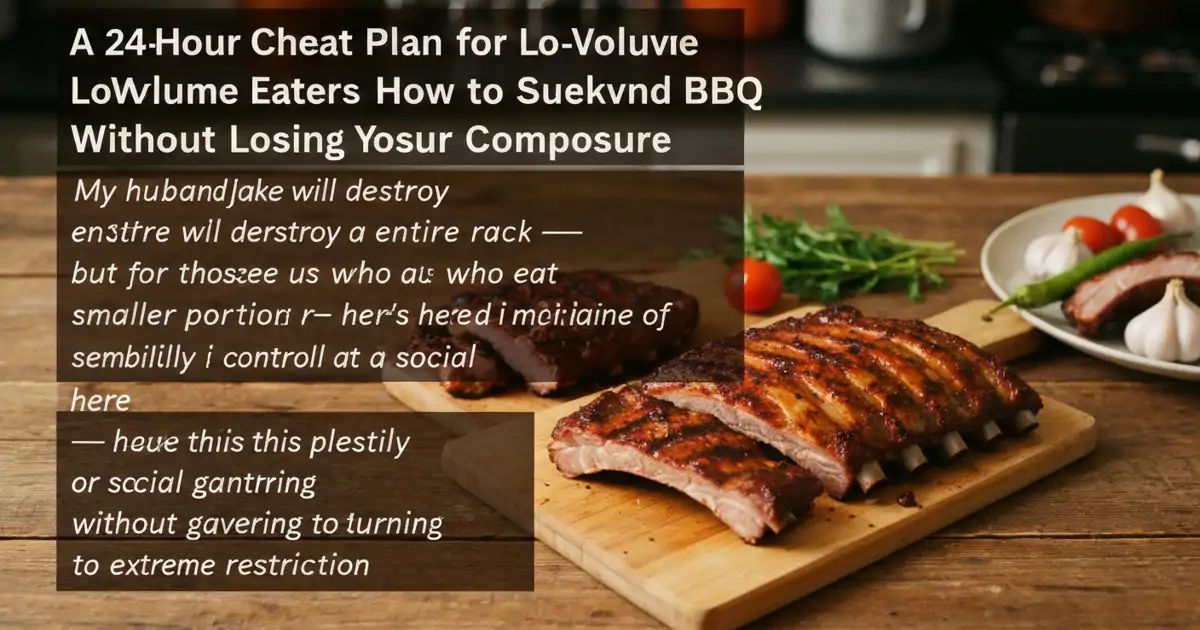

I love a good grill session, but watching Jake demolish a whole rack of ribs while I nibble a single bone makes me want to bring a spreadsheet to the picnic. So I mapped out a 24-hour cheat strategy that lets me enjoy the smoky goodness, keep my macros honest, and avoid the post-BBQ bloat that usually follows a weekend of indulgence.
Pre-BBQ Prep: Set Your Macro Budget
My "cheat plan" starts long before the first burger hits the grill. It's not about restriction; it's about intentional allocation. For someone like me, who typically aims for around 1,600 calories on a regular day, I'll budget an extra 500-700 calories for the BBQ event itself. This isn't a free-for-all; it's a calculated flex.
This means planning my meals for the 24 hours surrounding the event. On the morning of the BBQ, I'll have a high-protein, low-carb breakfast. Think a scoop of Ascent protein powder blended with unsweetened almond milk and a handful of spinach. Or a couple of scrambled eggs with a side of sauteed greens. This strategy keeps me full, stabilizes blood sugar, and saves precious calories for later. Jake, bless his heart, would scoff at a "light" breakfast before a feast. He'd argue he needs to "pre-game" with a stack of pancakes. We disagree. My approach ensures I arrive at the BBQ hungry, but not ravenous, which is critical for smart decision-making.
Smart Portioning at the Grill
This is where the rubber meets the road. It's easy to get swept up in the aroma and abundance. But remember: just because it's there doesn't mean you need to eat it all.
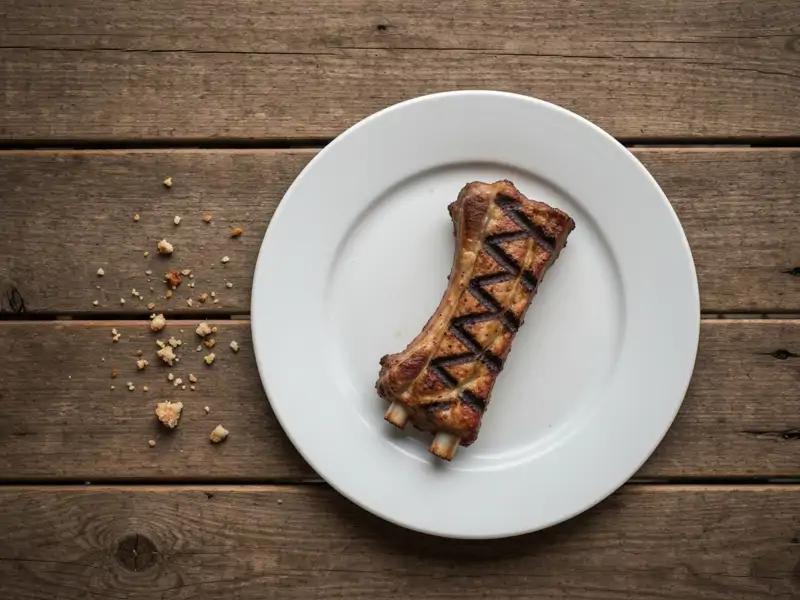
Jake will inevitably go for a full rack of pork ribs. A typical full rack (about 12 ribs) contains roughly 2,200 calories. That's more than my entire daily calorie goal in one go. For me, a single bone is about 180 calories. Knowing that, I can decide if two ribs are "worth it" for 360 calories, or if I'd rather spend those calories elsewhere. Most of the time, one rib satisfies the craving, and I'll focus on other proteins.
When it comes to the proteins, choose wisely. A skinless grilled chicken breast is a solid pick, offering lean protein without excessive fat. Grilled shrimp skewers are another excellent, low-calorie option. Fatty cuts like pork belly or heavily marbled brisket are delicious, but they're calorie bombs. If you absolutely need a taste, take a small, measured portion-think a 2-ounce sliver, not a 6-ounce slab.
And the sides? This is where many "health" foods hide their sins. The "creamy" potato salad? It's often loaded with mayo, sugar, and unhealthy oils. The coleslaw? Same story, unless it's a vinegar-based version. The buns, the chips, the pasta salad, the sugary baked beans-these are filler foods that quickly add up without much nutritional payoff. A 12-oz can of regular soda, for instance, adds 150 calories and 40g of sugar. Skip it. My strategy is simple: load up on grilled, non-starchy vegetables first. Bell peppers, zucchini, onions, asparagus. If there's a simple green salad with a vinaigrette, that's a go-to. I might allow myself a single spoonful of a truly irresistible side, but most of my plate will be lean protein and colorful produce.
Strategic Sipping: Cocktails Without the Crash
BBQs and beverages go hand-in-hand, but drinks can quickly undo your efforts. The sugary mixers are the main culprits. Margaritas, daiquiris, and sweet tea lemonades pack hundreds of empty calories and loads of sugar.
My go-to is a vodka soda with a generous squeeze of fresh lime. I prefer brands like Tito's or Ketel One for a cleaner taste. It's simple, refreshing, and keeps the calorie count minimal (around 100 calories per drink). If beer is your thing, opt for a light lager (e.g., Michelob Ultra, about 95 calories/can) over an IPA (which can be 200-300 calories per pint).
The key here is pacing. Alternate each alcoholic drink with a glass of water. This not only slows down your consumption but also keeps you hydrated, mitigating the dreaded post-BBQ headache and helping your body process the extra sodium. I stick to a strict one-drink-per-hour rule. It's not about being boring; it's about being smart.
Post-Feast Recovery Window
The 24-hour plan doesn't end when the grill cools down. The hours immediately following the BBQ are crucial for recovery and getting back on track.
The morning after, when Jake is likely still groaning about his food coma, I'm lacing up my shoes for some movement. A 30-minute moderate-intensity walk burns approximately 180 calories for someone my weight (around 135-140 lbs). This isn't punishment; it's a gentle nudge to boost circulation, aid digestion, and signal to my body that we're back to routine. It helps burn off some of the excess glycogen from the previous day's indulgences.
After all that sodium from BBQ sauces and potentially a few cocktails, electrolytes are key. I'll reach for an electrolyte drink like LMNT, which has no added sugar, or simply add a pinch of high-quality sea salt to my water. This helps rebalance my system and prevent that sluggish, puffy feeling.
For my first meal, I focus on a high-protein, low-carb snack or meal. A cup of Fage Total 0% Greek yogurt with a few berries, or a serving of cottage cheese. This provides around 20g of protein, keeps me full, and helps stabilize blood sugar without adding more fuel to the fire. It's effective damage control. Getting Back on Track After a Big Night Out: A 3-Day Recovery Plan to Offset a Weekend Blowout often starts with these same principles.
Weekend Wrap-Up: Reset Without Panic
The entire point of a "cheat plan" isn't to make you feel guilty; it's to give you the tools to enjoy a social event without completely derailing your progress. The day after the immediate recovery window, it's about a gentle reset.
I avoid extreme restriction or aggressive fasting. Those usually backfire, leading to cravings and rebound eating. Instead, I focus on a light, fiber-rich day. My meals will be packed with non-starchy vegetables-think a massive spinach salad with grilled chicken or fish, or a big bowl of roasted broccoli and Brussels sprouts with a lean protein. I'll include some complex carbohydrates like a small serving of quinoa or lentils to replenish glycogen stores responsibly.
This strategy helps normalize blood sugar levels, supports gut comfort, and ensures I feel energized, not depleted. Jake usually skips this step entirely, grabs a greasy breakfast burrito on Sunday morning, and then complains about feeling sluggish by Tuesday. My methodical approach means I'm back to equilibrium, feeling good, and ready for the week, without the post-indulgence regret.
I end the weekend by swapping the leftover BBQ sauce for a splash of apple cider vinegar and a brisk 10-minute walk-proof that you can love the grill and still love your waistline.