

You wake up Monday with a pizza box on the kitchen counter and a brain that's already counting the calories you 'ruined' over the weekend. I've been there a hundred times, and the first thing I tell myself - and you - is that guilt is the real diet killer, not the pizza.
We've all heard the 80/20 rule touted as the holy grail of flexible eating. Eighty percent "clean," twenty percent "indulgence." Sounds great on paper, right? Like it's giving you permission to live a little. But when you're trying to bounce back from a weekend blowout, that 80/20 mindset is actually a recipe for disaster. It reinforces the very guilt and binge cycles we're trying to break, making recovery harder, not easier.
Why the 80/20 Myth Feeds the Guilt Cycle
The problem with 80/20 in a recovery context is that it still categorizes food as "good" and "bad." That 20% slot is for the "bad" stuff, the "treats," the "cheats." And when you consciously set aside a portion of your diet for "cheating," you're setting yourself up for an all-or-nothing mindset.
Think about it: you plan your 20% for Saturday night. A few drinks, a big meal. Then Sunday rolls around, and maybe you overshot that 20% by a mile. Suddenly, you feel like you've failed. The whole week is "ruined." The typical reaction? Either extreme restriction to "make up for it" (which almost always backfires) or saying, "Screw it, the day's already ruined, might as well keep going." This is exactly what leads to chronic overeating. A 2010 review published in the journal Appetite found that dieters who set strict limits on what, when, or how much they eat tend to overeat by up to 30% once those limits are lifted. The 80/20 rule, with its inherent limits, often triggers this exact response. It's not true flexibility; it's just a more palatable form of restriction.
The minute you frame food as something you indulge in versus something you fuel with, you create a psychological battle. You carry guilt for eating the "bad" food, and then you try to "earn" your way back to good standing with extreme deprivation. That cycle just wears you down.
What Your Body Actually Needs After an Overeat
Forget the shame, forget the crash diet. Your body isn't "ruined." It's probably holding onto some extra water weight, topping off its glycogen stores, and maybe dealing with a bit of inflammation. Here's the real science of what's happening and how to fix it:
- Water Weight is a Big Deal: When you eat a lot of carbs and sodium (hello, pizza and beer), your body holds onto water. For every gram of glycogen stored, your body holds roughly 3-4 grams of water. So, a carb-heavy weekend can easily add a few pounds of water weight. This isn't fat, and it will flush out.
- Glycogen Replenishment: Your muscles and liver store glycogen for energy. After a big meal, these stores get topped up. Again, this isn't fat gain. It's just your body doing its job.
- Inflammation: This is the sneaky one. Unhealthy indulgence, especially with processed foods, sugar, and alcohol, can trigger an inflammatory response that can last up to 14 days. This delay in recovery can mess with your energy, mood, and even hunger cues. So, while you're not gaining fat at a rapid pace, your body is definitely working overtime.
The goal now isn't to starve yourself. It's to reset your system gently, reduce inflammation, shed excess water, and get back to your baseline without swinging the pendulum to extreme restriction.
A Practical 48-Hour Recovery Plan
This isn't a crash diet; it's a strategic reset. We're aiming for a modest calorie deficit and prioritizing nutrients that calm your system and flush out the excess. Remember, a 500-calorie daily deficit for three days claws back a 1500-calorie weekend binge. So we're going for something sustainable that doesn't leave you starving.
Monday: The Reset Day
- Hydration is King: Start with 16-24 oz of water as soon as you wake up. Keep a water bottle with you and aim for at least 100 oz throughout the day. Add a pinch of sea salt or an electrolyte tab if you're feeling particularly dehydrated from alcohol.
- Breakfast (approx. 300-350 calories): Prioritize protein and fiber. Skip the sugary cereals. My go-to is a large bowl of Fage Total 0% Greek yogurt (150-170 calories, 24-28g protein) with a handful of berries and a tablespoon of chia seeds. That hits you with protein, fiber, and probiotics.
- Lunch (approx. 400-450 calories): A big salad with lean protein. Think 4-6 oz grilled chicken or salmon, lots of mixed greens, cucumber, bell peppers, and a light vinaigrette. Avoid creamy dressings and croutons. Or, if you're out, grab a grilled chicken salad with dressing on the side. 10 Restaurant Myths Demolished: Low-Cal, High-Taste Options Revealed can help here.
- Dinner (approx. 450-500 calories): Focus on lean protein and non-starchy vegetables. A piece of baked cod or chicken breast (6 oz) with a generous serving of steamed broccoli and asparagus. A little healthy fat, like half an avocado or a drizzle of olive oil, is fine. Skip the rice or pasta tonight.
- Snacks (optional, 100-200 calories): If you need something, go for an apple, a handful of almonds (about 12-15), or a hard-boiled egg.
- Movement: A long walk (45-60 minutes) or a light jog. Nothing too intense, just get your lymphatic system moving and sweat a little.
Tuesday: Solidifying the Comeback
- Hydration: Same as Monday. Keep chugging that water.
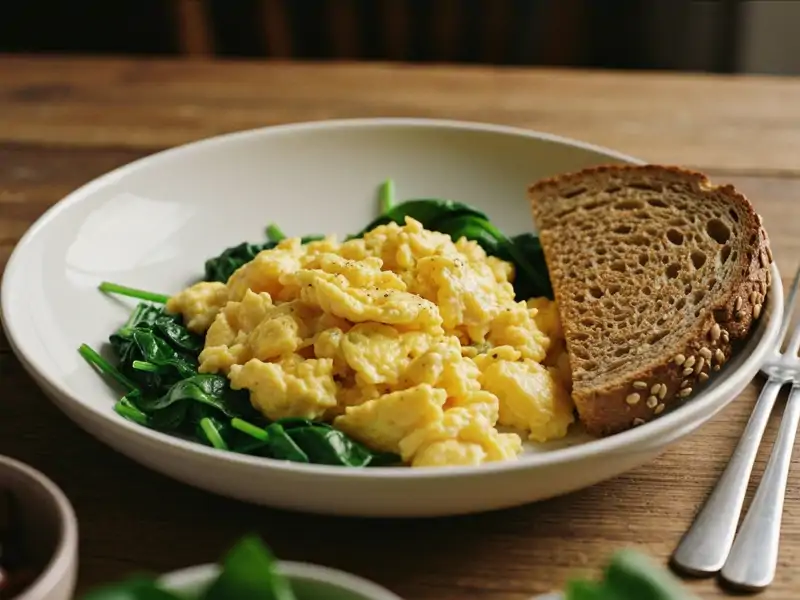
- Breakfast (approx. 300-350 calories): Two scrambled eggs with a cup of spinach and a slice of whole-wheat toast.
- Lunch (approx. 400-450 calories): Leftover dinner from Monday or a high-protein soup with a side salad.
- Dinner (approx. 450-500 calories): Lean ground turkey stir-fry with a ton of colorful veggies (bell peppers, snap peas, carrots) and a light soy-ginger sauce. Again, skip the rice.
- Snacks (optional, 100-200 calories): Cottage cheese, a small pear, or a few celery sticks with a tablespoon of peanut butter.
- Movement: A strength training session or another brisk walk.
By Wednesday morning, you'll feel significantly better, the water weight will be dropping, and you'll have effectively erased a good chunk of that weekend damage without feeling deprived. For a more detailed plan, check out Getting Back on Track After a Big Night Out: A 3-Day Recovery Plan to Offset a Weekend Blowout.
Long-Term Strategies That Beat 80/20
The real goal isn't just to recover from blowouts; it's to prevent them from becoming a regular cycle. You want to build habits that make "recovery" a rare event, not a weekly ritual. This means ditching the restrictive mindset that the 80/20 rule, despite its good intentions, still reinforces.
Here's what works better for consistent, guilt-free eating:
- Consistent Protein Intake: Aim for 25-30 grams of protein at every main meal. This is crucial for satiety, muscle preservation, and managing blood sugar. It keeps you full and minimizes cravings.
- Fiber-Rich Foods First: Before you even think about the "fun" stuff, make sure you're getting your fiber from vegetables, fruits, and whole grains. Fiber slows digestion, helps with fullness, and keeps your gut healthy. Fill half your plate with non-starchy vegetables at lunch and dinner.
- Proactive Planning, Not Reactive Guilt: Instead of carving out 20% for "cheats," integrate foods you enjoy into your regular eating in a controlled way. If you know you're going to a happy hour, plan for it: have a protein-rich snack before, make smart choices there (5 Sneaky Ways to Mitigate the Calorie Bomb of a Happy Hour), and adjust your next meal slightly. This isn't about rigid limits; it's about mindful incorporation.
- Listen to Your Body, Not a Percentage: Pay attention to genuine hunger and fullness cues. Are you actually hungry, or just bored, stressed, or following a rule? Stop eating when you're satisfied, not stuffed.
- Focus on Nutrient Density: Make your food choices based on what gives you the most bang for your buck nutritionally. When you prioritize nutrient-dense foods, the less nutritious options naturally take a smaller, less impactful role in your diet without needing a specific percentage allocation.
- Move Every Day: Regular physical activity, even just walking, helps regulate appetite, improves mood, and supports a healthy metabolism. It's part of the whole picture, not just an "extra" for when you've overeaten.
Next time you're staring at that leftover slice, remember: a few smart moves now keep the guilt out of the kitchen forever.