
That Monday morning feeling. You know it. The headache that starts behind your eyeballs, the fuzzy memory of a good time, and the dread of stepping on the scale. Four pounds up. Your stomach's doing flip-flops, and the thought of a kale salad makes you want to crawl back into bed. Don't sweat it. We've all been there. A hundred times, probably. But here's the thing: that number on the scale isn't telling you the whole story, and feeling guilty is the fastest way to repeat the cycle.
The Connection Between Binge Drinking and Binge Eating
You're not weak. You're just human, and you've been hijacked. When you're knocking back a few too many, it's not just your coordination that goes out the window. Your brain, specifically the hypothalamus, gets a serious nudge. Experts explain that alcohol intoxication actually increases activity in areas of the brain that control reward and regulate eating behaviors. It's like flipping a switch that says, "Eat everything, reward yourself, and don't worry about consequences."
This isn't just about "drunk munchies." The link between heavy alcohol use and disordered eating is well-documented. Researchers have found that individuals who engage in binge drinking are significantly more likely to overeat. It's a double whammy: the liquid calories add up, and then the alcohol-induced cravings push you towards high-calorie, often nutrient-poor foods. Binge eating involves consuming large amounts of food in a short period, often with feelings of loss of control. Sound familiar after a big night? It's a physiological response, not a moral failing.
Nutrition Strategies to Mitigate the Damage
So, you've woken up and the damage is done. Your body is screaming for energy, and probably some comfort. The worst thing you can do is starve yourself. That just sets you up for another crash, another binge. Instead, let's talk strategic recovery.
First, hydration. Obvious, but essential. Beyond plain water, some experts suggest a smart move for blood sugar: start with a sugary drink. No, I'm not telling you to reach for another mimosa. Think a small glass of orange juice or a sports drink to stabilize blood sugar quickly before you even think about eating a full meal. This can actually reduce those intense binge tendencies that creep in when your blood sugar is plummeting.
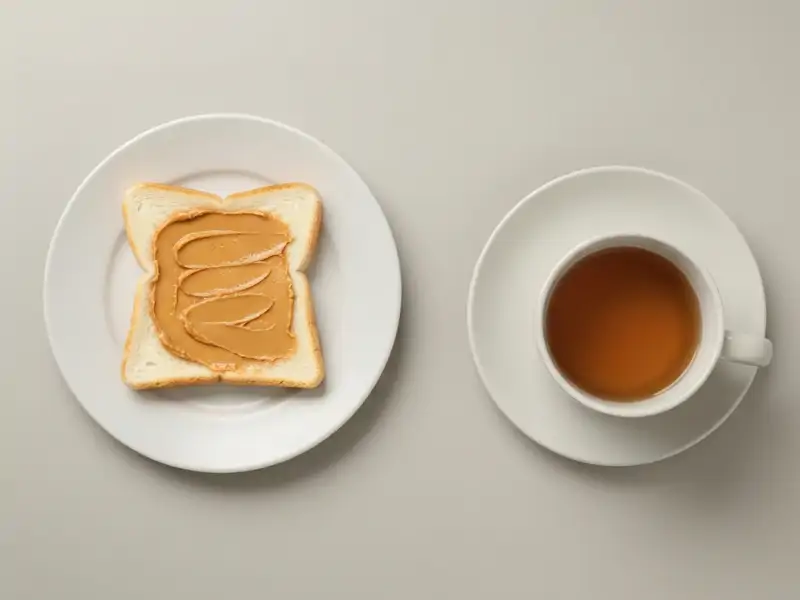
Once that initial sugar spike has done its job, move to simple carbohydrates. Simple carbs give you fast energy and satiety without overwhelming your system. Think toast, white rice, or a banana. Your digestive system is probably not ready for a high-fiber onslaught. My go-to is often a simple piece of whole-wheat toast with a little peanut butter, maybe 200 calories, or some plain yogurt with a drizzle of honey. Fage Total 0% Greek yogurt, for example, gives you about 18g of protein per 100g serving, and a bit of honey can hit that sweet spot without going overboard.
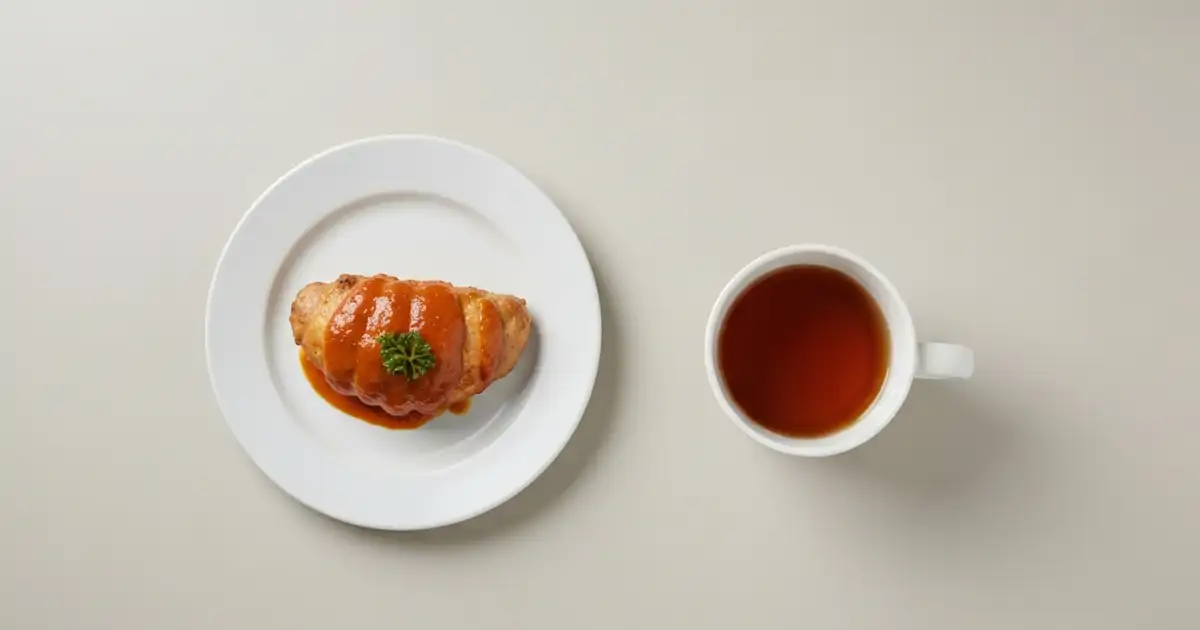
Later, when your stomach feels a bit more settled, you can introduce something more substantial. A light meal featuring lean protein and some gentle carbs is perfect. Consider a chicken salad, like a homemade version of Salade & Compagnie Manhattan Poulet Roti. This product offers 186kcal, 8g protein, 9g fat, and 17g carbs per 100g. It's a balanced, easy-to-digest option that gives your body what it needs without overdoing it. Keep it light, keep it simple. Your goal here is to nourish, not punish.
Comparing Calorie Intake: Binge Drinking vs Binge Eating
People always focus on the food, but the liquid calories from alcohol are sneaky. They slip right in, often without any sense of fullness, and before you know it, you've added an entire meal's worth of calories without even chewing. A single night of binge drinking can easily stack on an additional 1000-2000 calories. Think about it: a pint of regular beer is around 150 calories. A standard margarita? Easily 300 calories. Six beers and two margaritas? That's 150 * 6 + 300 * 2 = 900 + 600 = 1500 calories. That's a full day's eating for many people, consumed on top of regular meals, and before the drunk munchies even kick in!
Then you add the food. A 2000-calorie pizza shared with friends, plus some garlic knots? That's another 1000-1500 calories right there. It's easy to blow past 3000-4000 calories in a single "blowout" evening when alcohol is involved. And that's not even counting the next day's hangover cravings for greasy food.
A 1500-calorie food binge can feel enormous, but from a purely caloric standpoint, it's recoverable. A 500-calorie deficit for 3 days claws that back. That's a doable deficit: skip the morning latte (200 calories), swap your regular sandwich for a lower-calorie option (300 calories). But when you're dealing with 2000+ liquid calories plus the food, you're looking at a much bigger hole.
Calorie Snapshot: Blowout Culprits
| Item (100g serving) | Calories | Protein (g) | Fat (g) | Carbs (g) |
|---|---|---|---|---|
| Gerblé Organic Chocolate Cookie w/ Banana | 459 | 9 | 19 | 59 |
| Gerblé Sésame Cookie | 467 | 10 | 18 | 64 |
| Tonik (cookie-like snack) | 504 | 4 | 22 | 72 |
| Maille Light Sesame Oil & Soy Sauce Vinaigrette | 373 | 2 | 37 | 6 |
| Jaouda Banana Yogurt | 88 | 4 | 2 | 14 |
| Salade & Compagnie Manhattan Poulet Roti | 186 | 8 | 9 | 17 |
Look at those cookies and vinaigrette. A single serving of those Gerblé cookies, say 50g, is over 200 calories. And who eats just one? The Tonik snack is even higher. That Maille vinaigrette, while light in name, packs a serious 373 calories per 100g due to the oil. Drizzle a generous 30g on a salad, and you've added over 100 calories without much thought. These are the kinds of numbers that add up fast, especially when your judgment is impaired.
Recovery Plan: Getting Back on Track
The scale might be up a few pounds. Most of that is water weight. Alcohol is a diuretic, but your body also holds onto water in response to dehydration and inflammation. Don't panic. It's not 4 pounds of fat you gained overnight. It's fluid fluctuation, glycogen stores refilling, and probably a little extra sodium from those late-night snacks. Your body isn't trying to sabotage you; it's trying to get back to normal.
The key is getting back to regular meals and snacks. Skipping meals after a binge is a common mistake, and it just leads to more restriction and increases the likelihood of another binge. Your body needs consistent fuel to stabilize blood sugar, manage cravings, and repair itself.
Aim for a balanced diet with plenty of fruits, vegetables, and whole grains. This isn't about dieting hard; it's about nourishing smart. Think lean proteins like chicken breast or fish, complex carbohydrates like brown rice or quinoa, and a huge variety of colorful vegetables. These foods provide essential vitamins and minerals, support liver function, and help reduce the risk of future overeating by keeping you truly satisfied. For more detailed plans, check out Getting Back on Track After a Big Night Out: A 3-Day Recovery Plan to Offset a Weekend Blowout.
And let's talk about your liver for a second. It works overtime processing alcohol. While a single heavy night isn't going to cause irreversible damage for most healthy individuals, repeated binge drinking takes a toll. A 2017 meta-analysis in Hepatology by Dulai PS et al. showed an increased risk of mortality by fibrosis stage in nonalcoholic fatty liver disease. While that study focused on NAFLD, it highlights the stress we put on our liver. Your choices matter, not just for your waistline, but for your overall health.
So, support that hard-working organ. Focus on antioxidant-rich foods -- berries, leafy greens, nuts. And hydration. Lots of it. Water, herbal teas. Skip the sugary sodas and fruit juices for a few days; they'll just add unnecessary calories and sugar when your body is trying to rebalance.
Don't let the guilt win. Guilt is the real diet killer, not the pizza you had last night. It spirals into more bad choices. Accept what happened, learn from it, and take concrete steps forward. One step. Then another. And if you need more strategies for cutting calories smartly without feeling deprived, check out 14 Sneaky Low-Calorie Orders at Your Favorite Restaurant Chains for a Guilt-Free Cheat Meal.
So the next time you wake up after a big night out, don't reach for the guilt or the gym to punish yourself. Your body doesn't need punishment; it needs patience and smart recovery. Start with a plan to get your nutrition back on track, hydrate like it's your job, and your body will thank you. Get back to your routine, one good decision at a time. You've got this.