

Yeah, I get it. Woke up this morning feeling like I'd wrestled a bear made of fried chicken and then washed it down with a swimming pool of sugary drinks. My internal spreadsheet was screaming "1500-calorie blowout, emergency status!" The salt bloat was real, the sugar crash was kicking in, and the self-talk was heading south.
But here's the deal: one night, even a big one, doesn't derail your entire journey. It's a bump in the road, not a cliff edge. The real damage isn't the extra calories; it's the guilt that makes you throw in the towel for the whole week. So, let's ditch the shame and get to work.
Damage Control: Setting the Stage for Recovery
First things first, let's talk numbers. A 1500-calorie surplus from a big night out? Totally recoverable. We're not talking about a crash diet here, because those things are metabolic train wrecks waiting to happen. Crash diets carry serious risks, like nutrient deficiencies and metabolic slowdown. I've seen too many people fall into that trap. We're aiming for a gentle, consistent correction.
My go-to strategy is a 500-calorie deficit for 3 days. Do the math: 500 calories multiplied by 3 days claws back that 1500-calorie blowout. This isn't starvation; it's making smarter choices, scaling back portions, and choosing nutrient-dense foods. This approach helps stabilize blood sugar and energy levels without triggering your body's "famine response."
Hydration is your absolute best friend right now. That puffy feeling? A lot of it is water retention from excess sodium and carbs. Chug water. Aim for at least 3-4 liters throughout the day. Add a slice of lemon or cucumber if you need to make it more appealing.
And let's talk about caffeine. Many sources suggest limiting caffeine before bedtime for better sleep, but honestly, after a night of overindulgence, cutting back on caffeine across the board helps your nervous system settle. That jittery, anxious feeling often gets amplified by too much coffee. Stick to one cup in the morning, then switch to herbal tea. Trust me, your adrenals will thank you.
Consider a gentle walk. Nothing intense, just 20-30 minutes to get the blood flowing and clear your head. It helps with digestion and can actually reduce stress, which, let's be honest, you're probably feeling a bit of right now.
Protein-Rich Morning Routine to Jumpstart Recovery
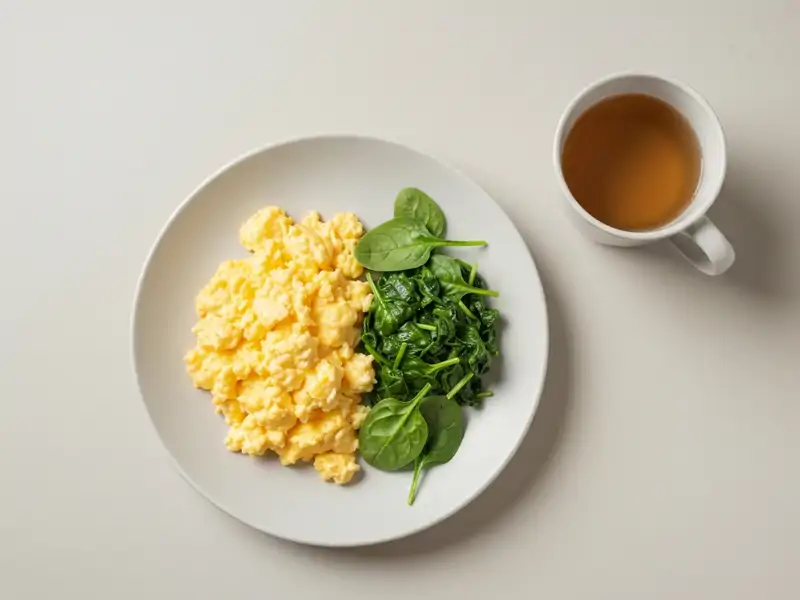
You need to hit your protein goals, especially on recovery days. People often tell me they feel sluggish and hungry all day after a blowout. That's usually because they're reaching for simple carbs to "feel better," which just perpetuates the sugar rollercoaster.
My advice: aim for at least 20g of protein within an hour of waking. This kickstarts your metabolism, keeps you feeling full, and helps stabilize blood sugar levels, preventing that mid-morning crash. A 2015 study in Cell by Zeevi et al. highlighted how personalized nutrition based on glycemic responses can make a huge difference, and protein is a major player in that.
Think beyond just eggs, though eggs are fantastic. A serving of plain Greek yogurt, like Fage Total 0% (which packs about 18g of protein per 150g serving), or a scoop of protein powder mixed into water or unsweetened almond milk. Even some lean deli turkey on whole-grain toast can hit the mark.
For later in the day, when you're looking for substantial protein, options like Chef Select Mild Chicken Wings provide 20g of protein and 195kcal per 100g, making them a solid choice for satiety.
I remember one Monday after a particularly festive wedding weekend. I woke up feeling absolutely dreadful, but I forced myself to make a high-protein smoothie. Just the act of doing something good for my body, even when I didn't feel like it, set a positive tone for the entire day. It wasn't about "undoing" anything; it was about moving forward.
Comparing Fasting Methods: Which One is Right for You?
Intermittent fasting isn't for everyone, especially if you're feeling fragile after a big night. But strategic fasting can be a tool for calorie balance, not punishment. Johns Hopkins Medicine explains a few common approaches.
The most popular is 16/8 fasting: you eat all your meals within an eight-hour window and fast for 16 hours. For example, you might skip breakfast and have your first meal at noon, finishing dinner by 8 PM. This naturally shortens your eating window, often leading to a slight calorie reduction without feeling deprived. It's often the easiest to incorporate.
Then there's the 5:2 approach, where you eat regularly five days a week. For the other two non-consecutive days, you drastically reduce your calorie intake to around 500-600 calories. This can be effective, but it requires more planning and discipline on those low-calorie days. It's not what I'd recommend for immediate "morning after" recovery, as it can feel too restrictive when you're already feeling off.
The 24-hour fast involves fasting for a full 24 hours, usually from dinner one day to dinner the next. Some advocates suggest that a 24-hour fast can trigger repair processes in the body. While there's research on its benefits, jumping into a 24-hour fast when you're already feeling run down from a weekend blowout is usually a bad idea. It can lead to extreme hunger, irritability, and potentially make you overeat later. Plus, nobody needs to feel worse on a Monday.
For immediate recovery, if you're going to try any form of fasting, consider just pushing back your first meal a few hours. Instead of a traditional breakfast, maybe just have some water and a black coffee, then aim for a protein-rich lunch around 1 PM. This can still shorten your eating window and help with calorie balance without the mental strain of a full 16/8 or longer fast. It's a gentle nudge, not a drastic overhaul. For more on this, check out Myth-Busting the 24-Hour Diet: You Don't Need a Whole Day to Blow It.
Nutrition Data Comparison: Choosing the Right Foods for Recovery
Making smart food swaps can make a huge difference in recovering those calories without feeling deprived. It's all about understanding what's in your food. Let's look at some common choices.
People often complain nonstop that healthy eating is boring or tasteless. But look at the numbers. Small changes add up, and they don't have to sacrifice flavor.
| Food Item (per 100g) | Calories | Protein (g) | Fat (g) | Carbs (g) | Fiber (g) |
|---|---|---|---|---|---|
| Avoine chocolat, Bjorg | 454 | 8 | 18 | 61 | 8 |
| Avoine complete, Bjorg | 442 | 9 | 15 | 64 | 8 |
| HERTA Lardons fumés | 239 | 17 | 19 | 0 | 0 |
| Bacon Fume au bois de hetre, Herta | 111 | 21 | 3 | 0 | 0 |
| Chicken Wings Mild, Chef Select | 195 | 20 | 11 | 4 | 1 |
See that? Just by swapping out chocolate oats for plain oats, you're not saving a ton of calories, but you're getting a gram more protein and slightly less fat. The real gain here is avoiding the added sugars and processed ingredients often found in flavored oatmeals. A 2020 study in Clinical Nutrition by Sun et al. confirmed that the sequence of macronutrient ingestion can impact postprandial responses, so starting with a cleaner base is always a good idea.
But look at the bacon versus lardons. HERTA Lardons fumés pack 239kcal and 19g of fat per 100g, while Herta Bacon Fumé au bois de hêtre comes in at 111kcal and a mere 3g of fat for the same protein content (21g). That's a massive difference. If you're looking for that smoky flavor, bacon is the clear winner for a lower-calorie, higher-protein choice. This isn't about cutting out flavor, it's about making smarter choices when you're trying to rebalance.
When you're shopping, always check those labels. You might be surprised at the hidden calories and fat in things you assume are "healthy." For more insights into label reading, check out The Great Greek Yogurt Hoax: Morgan Harlan Tests Labels, Uncovers Surprising Truths.
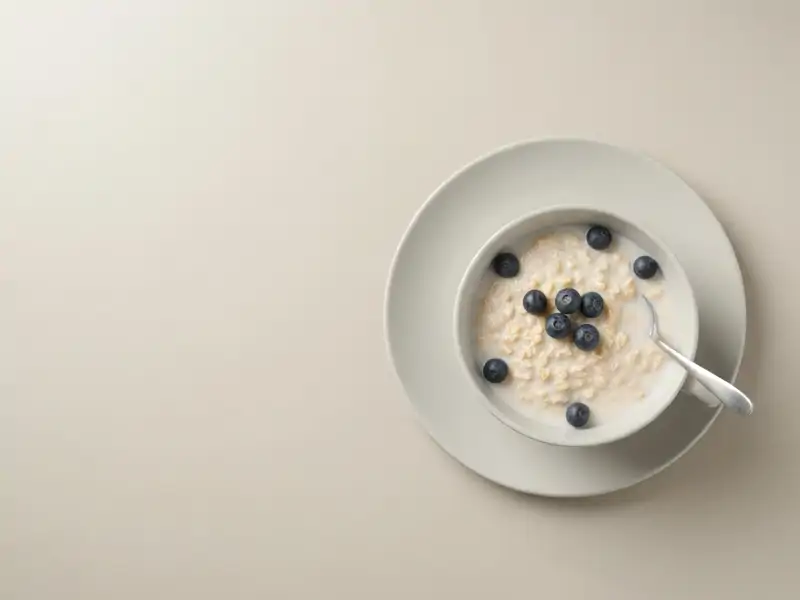
Focus on high-fiber foods. Fiber helps you feel full, slows digestion, and supports gut health, which is probably taking a hit after a weekend of indulgence. Think whole grains, fruits, vegetables, and legumes. For instance, Bjorg's Avoine complète has 8g of fiber per 100g, which is excellent for satiety.
Avoiding the Crash Diet Trap: Healthier Alternatives for Sustainable Weight Loss
Crash diets promise quick fixes, but they are a trap. Experts warn that they can lead to muscle loss instead of fat, rebound weight gain, and can even mess with your metabolism long-term. And honestly, they just make you miserable. That initial "win" on the scale is often just water weight, and it turns into a bigger loss when you inevitably boomerang back, often gaining more than you lost.
The goal isn't to punish yourself; it's to get back to a baseline of healthy eating without triggering extreme deprivation. People in fitness forums often suggest simple, sustainable adjustments: reduce excess simple carbs, fill up on healthy proteins like lean meat, and eat more complex carb/protein mixes like beans. Cut out or significantly reduce alcohol, soft drinks, and other forms of sugary beverages.
Instead of starving yourself, focus on these actionable steps:
- Prioritize Protein at Every Meal: We talked about 20g in the morning. Keep that going for lunch and dinner. A meta-analysis in Diabetes Research and Clinical Practice in 2017 by Shishehbor et al. showed that vinegar consumption can attenuate postprandial glucose and insulin responses, which is another simple trick to consider alongside protein.
- Increase Fiber Intake: Load up on vegetables, fruits, and whole grains. This will keep you full and aid digestion. Think a big salad with lean protein for lunch, or a stir-fry packed with veggies for dinner. Learn more about making fiber work for you in Fiber Frenzy: Do High-Fiber Granola Bars Deliver or Deceive? Morgan Harlan Compares Brands, Crunches Numbers.
- Cut Down on Simple Carbs and Added Sugars: This doesn't mean no carbs, just smarter carbs. Swap white bread for whole wheat, sugary cereals for plain oats, and ditch the sodas for water or unsweetened tea. This is where most of those "blowout" calories sneak in anyway.
- Mindful Eating: Slow down. Pay attention to your hunger cues. Are you actually hungry, or just bored, stressed, or still feeling the after-effects of the weekend?
- Plan Your Meals: Even just for the next 24-48 hours. Knowing what you're going to eat reduces the chance of impulsive, unhealthy choices when hunger strikes. For help with this, check out Getting Back on Track After a Big Night Out: A 3-Day Recovery Plan to Offset a Weekend Blowout.
Remember, guilt is the real diet killer. Not the pizza, not the beer, but the guilt that makes you throw up your hands and say, "What's the point?" One bad meal, one rough weekend, does not define your entire health journey. It's just a reminder that you're human.
Don't let one night define your week. Dust yourself off, hydrate, and make one good choice right now. Then another.